Lead Together Through Project-Based Unit Templates

Today we dive into project-based unit templates for leadership and teamwork development, offering adaptable structures that turn classrooms and training rooms into collaborative studios. You will find sprint-based planning, rotating roles, feedback loops, and authentic deliverables that transform responsibilities into shared ownership. Expect stories, practical checklists, and reflection prompts you can copy, remix, and deploy immediately. Share your context in the comments, ask for a custom template, and subscribe to receive new iterations shaped by your insights and challenges.

Define Outcomes That Build Real Collaboration

Before scheduling tasks, anchor your unit around observable leadership and teamwork outcomes that matter beyond grades. Translate big aspirations into concrete behaviors, such as initiating inclusive discussions, managing interdependencies, owning mistakes, and aligning decisions with shared goals. Use backward design to connect competencies to public products and evidence. Invite learners to co-author success criteria, boosting commitment and clarity. When outcomes are co-owned, teams navigate adversity with purpose, and every milestone reflects intentional growth rather than accidental progress.
Start with a public product that demands collaboration under authentic constraints, then list the leadership moves necessary to deliver it. Identify communication, decision-making, and accountability behaviors, and connect each to moments in the project where they can be practiced and measured. Establish formative checkpoints tied to those behaviors, not just content mastery. This alignment keeps coaching focused, feedback timely, and students aware that leadership is not abstract inspiration but repeated, observable actions in service of shared outcomes.
Replace vague expectations with rubrics describing specific leadership and teamwork indicators across performance levels. For example, instead of “works well with others,” define behaviors such as facilitating balanced airtime, requesting dissenting perspectives, and documenting decisions. Include evidence sources like meeting notes, peer reflections, and stakeholder feedback. Share exemplars and ask learners to calibrate by scoring sample artifacts. Rubrics become coaching tools when they guide daily choices, turning abstract ideals into practical signals that tell teams precisely where to aim next.

Set a Sprint Cadence That Energizes Progress

Use one- or two-week sprints with kickoff planning, daily stand-ups, mid-sprint feedback, and a retrospective. Each sprint ends with a milestone review producing tangible evidence: a prototype, interview notes, or a tested assumption. This rhythm creates momentum without burnout, encourages learning from small bets, and gives you frequent windows to coach leadership behaviors. Students feel supported by predictable ceremonies while experiencing the agency to adapt tactics. Cadence beats intensity, sustaining focus even when complexity rises and pressure tempts shortcuts.

Rotate Roles to Grow Versatile Leaders
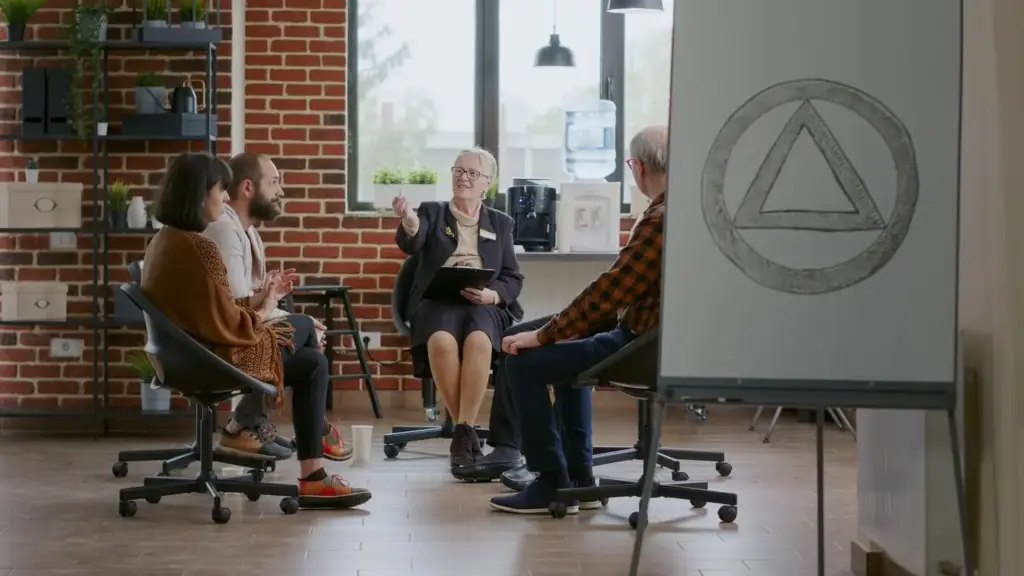
Assign rotating roles using a simple matrix that clarifies responsibilities and handoffs. The facilitator manages meetings and psychological safety, the operations lead coordinates tasks and tools, the liaison handles stakeholders, and the quality advocate protects standards and ethical considerations. Rotation ensures every learner practices speaking up, listening deeply, and negotiating trade-offs. Capture role-specific artifacts—agendas, risk logs, decision records—so evidence accumulates across rotations. Over time, students discover strengths they did not anticipate and empathy for teammates facing different leadership pressures.

Formative Check-Ins with Purpose

Schedule structured check-ins tied to specific leadership indicators, not general progress. Ask questions like, “Which assumption did we invalidate this week?” and “Whose voice influenced today’s decision?” Use quick exit tickets to capture insights while memories are fresh. Encourage teams to attach artifacts that demonstrate growth, like annotated meeting notes or revised criteria. These routines transform feedback into a learning engine, allowing micro-corrections before problems compound. Leaders become comfortable revealing uncertainty because the culture treats transparency as strength, not vulnerability.

Peer and Self-Review with Bias Guardrails

Design peer feedback to reduce popularity bias and halo effects. Use behavior-anchored scales, require evidence citations, and collect blind inputs before group discussion. Combine self-assessments to promote metacognition about strengths, gaps, and intentions for the next sprint. Calibrate by reviewing anonymized samples together. This structure helps quieter contributors receive recognition for crucial behind-the-scenes leadership and challenges dominant voices to validate claims. Over time, teams learn to disagree constructively because they trust that feedback aims at shared excellence, not personal judgment.

Build a Trust-First Collaboration Culture

Processes fail without psychological safety. Codify norms that promote candid dialogue, inclusive facilitation, and productive conflict. Teach teams to separate people from problems, using structured protocols to surface disagreements early. Celebrate curiosity and dissent as catalysts for better ideas. Incorporate community agreements, restorative practices for harm, and rituals that honor effort. When learners feel respected and heard, they take bold risks, admit mistakes faster, and defend quality standards. Leadership growth accelerates because people can practice courage without fearing isolation or embarrassment.

Co-Create Norms and Agreements

Begin by inviting teams to craft agreements covering airtime balance, decision transparency, and conflict resolution. Post norms visibly and revisit them after each sprint retrospective. Use hand signals to request clarifications or call a pause when energy dips. Pair norms with role responsibilities so enforcement is shared, not top-down. Because teams authored the agreements, adherence feels like integrity rather than compliance. Over time, norms become reflexes, enabling groups to face complexity while preserving empathy, momentum, and the dignity of every participant.

From Friction to Insight with Protocols

Arm teams with light protocols to channel conflict into creativity: a five-step ladder of inference, rounds for silent ideation, and a structured devil’s advocate rotation. Require evidence and trade-off analysis before decisions. When tensions rise, guide discussion through timed prompts that separate story from data. These rituals transform heated moments into teachable breakthroughs. Students learn that disagreement is not danger but signal, pointing to untested assumptions. Leaders emerge skilled at reframing problems, integrating perspectives, and steering toward decisions that earn broad commitment.

Inclusion that Powers Better Decisions

Design meetings to amplify underrepresented voices. Use pre-read notes with guiding questions, silent start reflections, and rotating facilitation. Track participation data and celebrate shifts. Provide sentence stems that support respectful challenge and appreciative inquiry. Encourage multilingual assets or visual artifacts for accessibility. When more perspectives shape choices, blind spots shrink and resilience grows. Students experience inclusion not as courtesy but as a performance advantage, discovering that equitable collaboration produces sharper insights, fewer rework cycles, and outcomes stakeholders trust because they helped create them.

Make It Real: Authentic Problems and Partners

Leadership flourishes under real constraints. Frame projects around community needs, industry briefs, or campus challenges with genuine stakes. Invite mentors to offer insights and accountability. Ask teams to consider impact, unintended consequences, and sustainability. Ground decisions in user research, not assumptions. When students navigate ambiguity with stakeholders watching, they feel the weight and pride of responsibility. An unforgettable anecdote: a ninth-grade team redesigned a local food pantry intake, reducing wait times by half. They discovered leadership feels like service in action.

Frame Problems with Stakeholders

Start with interviews, observations, and document reviews to clarify user needs. Build a problem statement that names constraints, desired outcomes, and success indicators defined by those affected. Encourage teams to share early drafts for stakeholder critique, then revise scope accordingly. This reduces scope creep and performative work. Students learn that listening before building is an advanced leadership move. Clear problem framing guides smarter experiments, sharper prioritization, and deliverables that matter to real people rather than impressing only within classroom walls.

Mentors, Panels, and Micro-Consults

Bring in mentors for short, focused sessions tied to project stages: discovery, prototyping, and final review. Use a question bank so students extract value efficiently. Panelists should challenge assumptions and request evidence of learning, not dictate solutions. Capture mentor feedback in decision logs for transparency. These authentic interactions elevate stakes, build professional communication skills, and demonstrate that credible leaders seek counsel proactively. Students leave with contact networks, confidence, and a lived sense that excellence grows through community, not individual heroics.

Ethics and Impact Accountability

Embed an ethics checklist evaluating equity, privacy, environmental impact, and long-term effects on stakeholders. Require teams to document harms considered, mitigations attempted, and remaining questions. Treat ethics as design criteria, not afterthoughts. When trade-offs surface, practice transparent decision-making and communicate reasoning to stakeholders. This discipline models responsible leadership under complexity. Students internalize that success includes who benefits, who bears costs, and how outcomes endure. The habit strengthens trust, improves product quality, and prepares leaders to steward power with empathy and rigor.

Launch, Adapt, and Sustain Over Time

A polished template is only the start. Plan a strong kickoff, scaffold just enough, and adapt based on data. Use short pilots, gather feedback, and iterate without ego. Build a resource library of agendas, rubrics, and exemplars. Invite students to become co-designers, retiring elements that no longer serve and refining what accelerates growth. Encourage readers to share adaptations, request walkthroughs, and subscribe for fresh templates and case studies. Sustainability emerges when continuous improvement is collective, joyful, and grounded in real evidence.
Lutirumipokozaxe
Privacy Overview

This website uses cookies so that we can provide you with the best user experience possible. Cookie information is stored in your browser and performs functions such as recognising you when you return to our website and helping our team to understand which sections of the website you find most interesting and useful.