Build Workshops That Actually Change How People Work

Today we dive into DIY Soft Skills Lesson Templates: a practical way to plan, deliver, and iterate behavior-focused workshops without starting from scratch. You’ll find reusable structures, facilitation notes, and assessment ideas to transform communication, feedback, empathy, and teamwork. Share your adaptations in the comments, request examples, and subscribe for fresh templates that build confidence while honoring different learners’ needs.

Define observable results before choosing activities

Write outcomes as visible behaviors: what a learner says, asks, or demonstrates in situations that matter. Replace vague verbs with specific actions and conditions, pair with success criteria, and prepare examples plus counterexamples to calibrate expectations and reduce ambiguity, enabling clearer feedback and more targeted practice for every participant.

Connect competencies to moments that matter at work
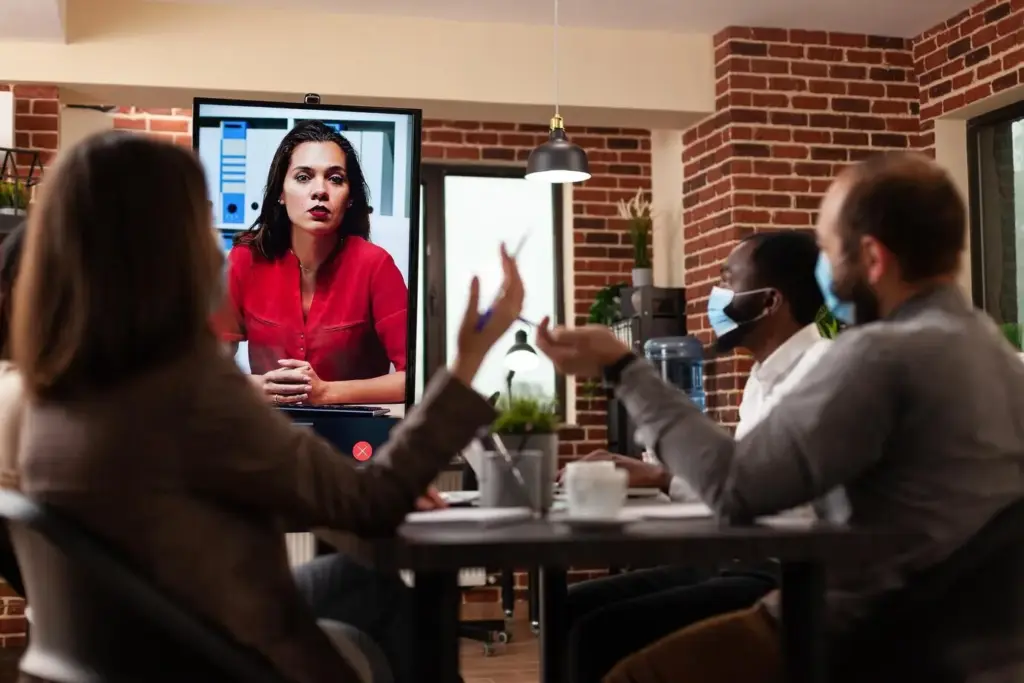
Trace each objective to a real workplace moment, like a stakeholder update, code review, or parent conference. Identify the stakes, risks, and signals of success, then design activities that mirror those pressures so practice sessions feel authentic, consequential, and genuinely useful for immediate application after the session ends.

Turn objectives into a timeboxed flow learners can navigate

Convert goals into a navigable plan: opening, warm-up, practice cycles, feedback, reflection, and transfer commitments. Timebox generously, name transitions, and add buffers. Learners trust facilitators who show the path, anticipate friction, and respect attention spans and energy fluctuations, ensuring momentum and clarity even when discussions become complex.

Build a Reusable Lesson Skeleton

{{SECTION_SUBTITLE}}

Open with a hook that primes attention
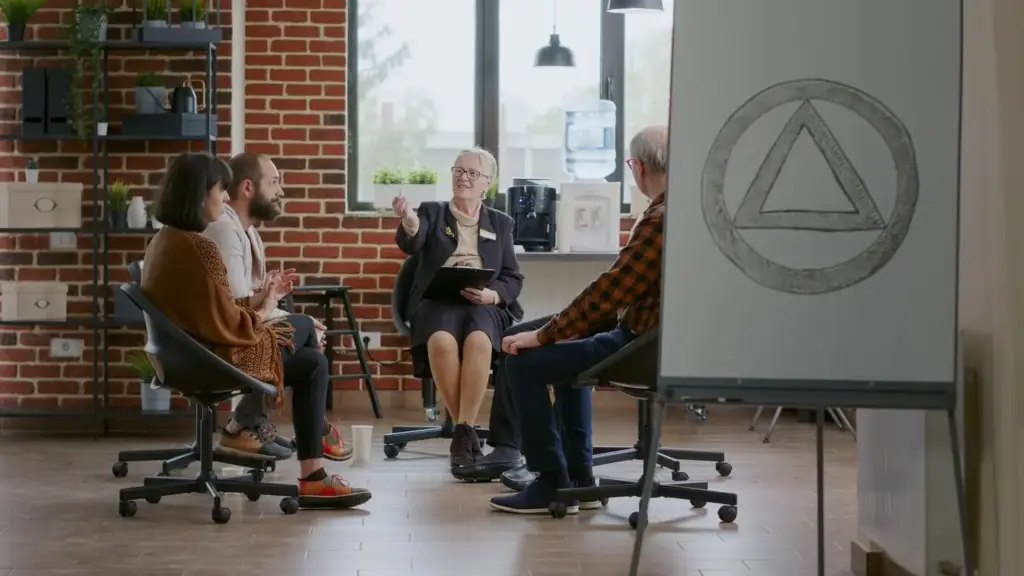
Start with a hook aligned to the day’s outcomes: a provocative question, quick poll, short story, or vivid artifact. Use it to surface assumptions and prior experiences, preparing a bridge from lived realities to new strategies without shaming gaps or overloading attention, especially for anxious or skeptical participants.

Design practice loops that build habits fast

Structure cycles of modeling, guided practice, and independent tries. Keep instructions crisp, demonstrate aloud, and set clear success markers. Rotate partners and roles to widen perspective, and integrate micro-feedback moments so habits form through reinforcement rather than lectures alone, making improvements visible within a single session.

Communication, Listening, and Feedback in Action

Focus on high-leverage interpersonal capabilities by grounding exercises in real talk. Communication clarity, attentive listening, and constructive feedback benefit every role. Use conversational frameworks and role assignments to make practice psychologically safe, repeatable, and surprisingly enjoyable for participants with different experience levels and cultural communication norms.

Facilitation That Supports Psychological Safety

Establish living agreements, not wall posters

Co-create agreements like one mic, take space make space, assume positive intent while addressing impact, and ask before advising. Revisit them mid-session. Norms are not posters; they are living practices that guard attention, empathy, and courage when stakes rise, distractions appear, or tensions unexpectedly escalate.

Manage energy, pacing, and room dynamics

Use visible timers, movement breaks, and purposeful pairings. Shift modalities between writing, speaking, and silent reflection to respect processing differences. Name energy dips, vary pace, and adjust group sizes so momentum remains kind, inclusive, and focused on meaningful progress without exhausting participants or losing focus.

Adapt for remote and hybrid realities

Provide alternatives for cameras, chat, and breakout roles. Offer templates that specify turn-taking, prompts, and timekeepers. Encourage closed captions, clear visuals, and asynchronous follow-ups so remote participants contribute fully without fatigue or social penalties for different circumstances, schedules, disabilities, or bandwidth limitations across regions.

Measure What Improves

Turn growth into evidence by planning measurement with compassion. Combine quick pulse checks, behavior rubrics, and reflective artifacts. Document before-and-after examples and commitments, then revisit them, celebrating progress and learning from misses without blame, shame, or performative compliance rituals that distort attention and motivation.

Stories From the Field

Real people change when learning meets reality. These snapshots show how adaptable structures unlock courage and clarity. Notice the small design moves that mattered: explicit norms, timing discipline, and language scaffolds that carried through difficult moments and produced tangible outcomes worth repeating and sharing widely.
Lutirumipokozaxe
Privacy Overview

This website uses cookies so that we can provide you with the best user experience possible. Cookie information is stored in your browser and performs functions such as recognising you when you return to our website and helping our team to understand which sections of the website you find most interesting and useful.